Water & WASH

Clean water shouldn't be a miracle. But for millions, it is.

Nearly 2.1 billion people wake up without access to safe drinking water. Every day, waterborne disease claims thousands of lives, most of them children. HCI's WASH program is changing that — one well, one school, one family at a time.

The crisis

The world is running dry, and the most vulnerable are paying the price

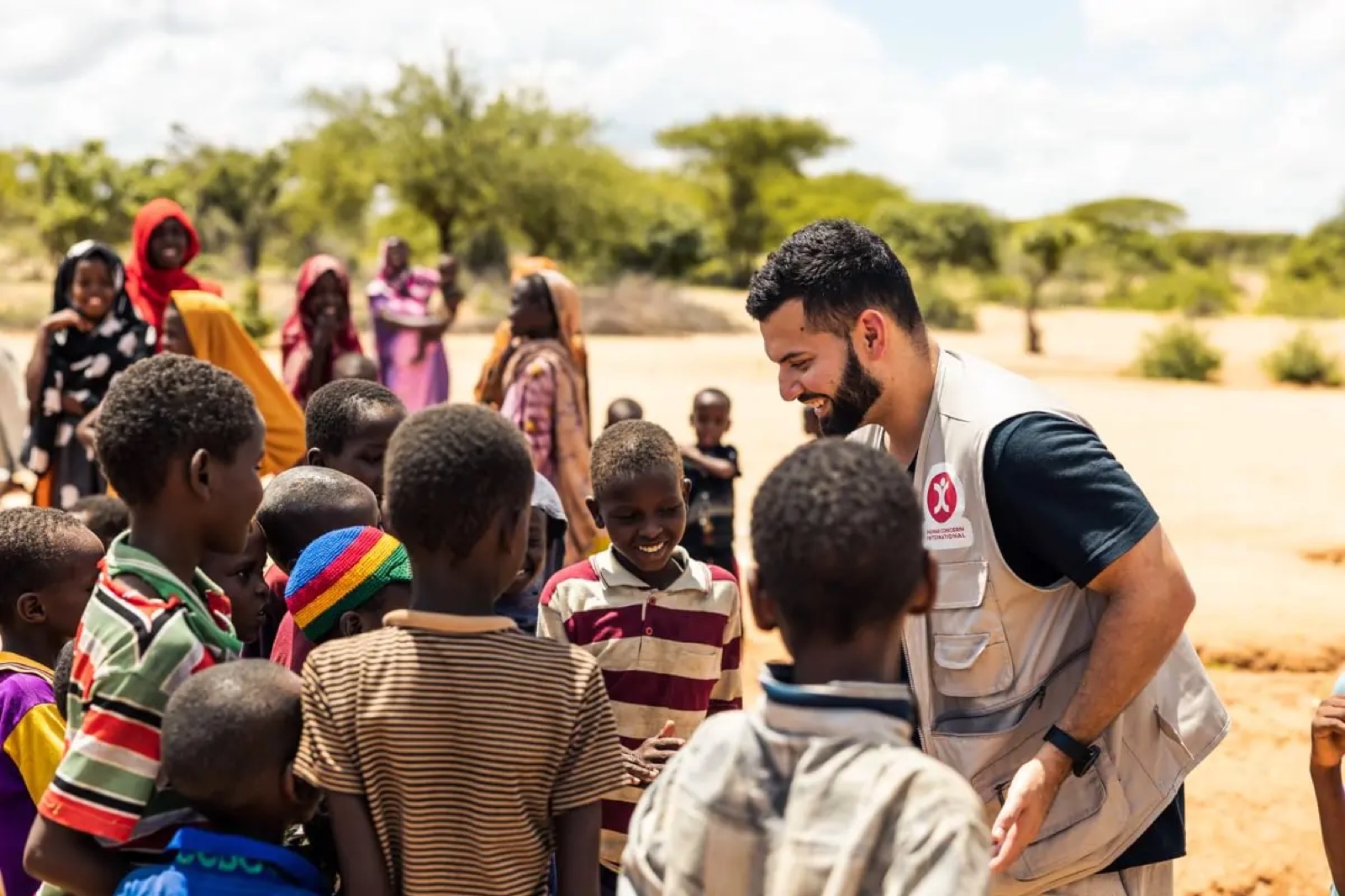
Across Sub-Saharan Africa, South Asia, and the Middle East, entire communities are forced to drink from contaminated rivers, walk hours to collect water, and open-defecate in the absence of basic sanitation. Women and girls bear the heaviest burden, spending hours daily on water collection instead of school or economic participation.

Unsafe water, poor sanitation, and inadequate hygiene account for a significant share of preventable disease worldwide — and the burden falls hardest on children under five.

The best charity is giving water to drink.
The Prophet ﷺ  |  Sunan Ibn Majah, 3684
  • 2.1B people lack safely managed drinking water Source: WHO / UNICEF JMP
  • 3.4B people lack safely managed sanitation services Source: WHO / UNICEF JMP
  • 1.4M preventable deaths every year from unsafe water, sanitation and hygiene Source: World Health Organization
  • Every one of these numbers has a household behind it. $1,500 takes one village out of the first line.

    Build a well

Why it matters

Water is not one problem. It is every problem.

Water, sanitation and hygiene — collectively WASH — are among the most powerful determinants of human health and dignity. When a community gains access, almost everything else improves with it.

  • Health & disease prevention

    The WHO estimates that unsafe water, sanitation and hygiene causes at least 1.4 million preventable deaths every year. More than a million of those come from diarrhoeal disease alone, and the vast majority are children under five.

  • Education & girls' access

    One in five children worldwide lack basic drinking water at their school. Girls are disproportionately affected: without proper sanitation facilities, many are pulled from school entirely — not for lack of ambition, but because the basic conditions for safety and dignity simply aren't there.

  • Economic dignity

    Hours lost to water collection are hours not spent earning, studying or caring. Families who stop losing income to preventable illness can begin to plan beyond the next week.

Charsadda, Pakistan

From risk to reliability: a school transformed

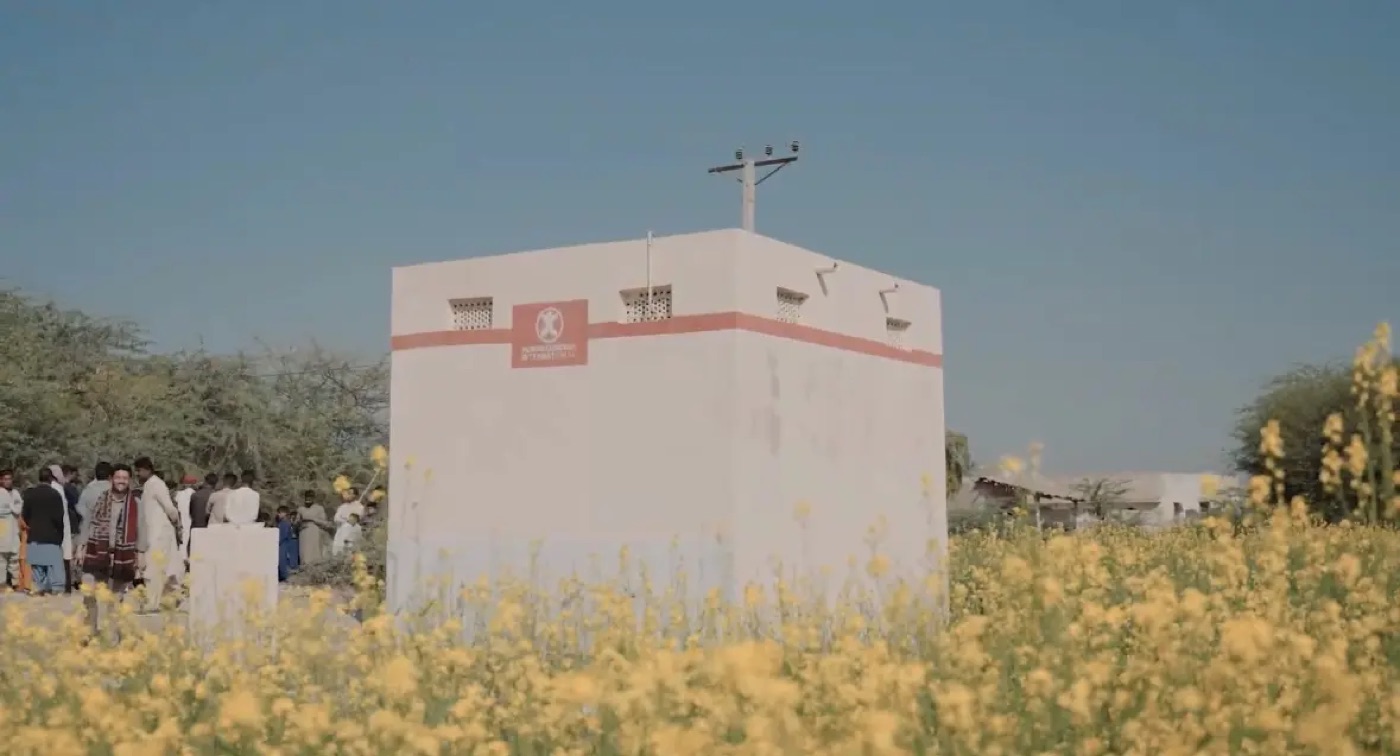
Kodai No. 1 Public School had no safe drinking water and no functioning sanitation. Pupils drank from an unprotected source and attendance fell every time illness moved through the district.

HCI installed a clean water supply and rebuilt the school's WASH facilities. The change was not gradual — it was immediate, and it was measurable.

Before
Unprotected source, no sanitation
After
Safe supply, functioning WASH block

Our delivery

What your giving has already done

  • 0 people provided with access to safe, clean water
  • 0 litres of safe drinking water distributed to displaced families in Gaza
  • 0 people supported through emergency water stations
$412,800 raised toward this year's target Goal $600,000
68% funded Figures illustrative — HCI does not currently publish a live WASH total

How it works

What happens after you press donate

  1. Site survey

    Field teams assess water table depth, community size and existing infrastructure before a single dollar is committed.

  2. Drilling

    Local contractors drill and case the borehole. Depth and method depend on geology, which is why costs differ between Asia and Africa.

  3. Installation

    Pump, apron and drainage go in, plus hygiene training so the facility is used and maintained properly.

  4. Community handover

    Ownership passes to a local committee responsible for upkeep. That is what makes a well last fifteen years rather than two.

Ongoing charity

A gift that keeps giving

When a man dies, his deeds come to an end except for three: ongoing charity, beneficial knowledge, or a righteous child who prays for him.
The Prophet ﷺ  |  Sahih Muslim

Your support can become Sadaqah Jariyah, a continuous charity that keeps giving long after the donation is made. Every well dug, every water station built, every family reached with safe water, sanitation and hygiene support — these are not one-time acts. They are investments that ripple through communities for years, even generations.

A water well you fund today may be drawing clean water for a family fifteen years from now. That is the weight of what your giving can carry.

Why give through HCI

Forty-six years of doing this

Access to clean water, sanitation and hygiene is one of the highest-impact humanitarian interventions available. The return on investment isn't measured in dollars — it's measured in children who grow up healthy, in girls who stay in school, in families who stop losing income to preventable illness.

At HCI, we believe every family deserves to live without the fear of contaminated water. Your support makes this not just possible, it makes it real.

  • Since 1980 — Canada's first Muslim relief organization
  • 16 countries with active programming
  • Audited annually — CRA No. 107497125 RR 0001

Questions about your well

What donors ask us most

Can I choose which country my well will be built in?

We understand donors often have a country in mind. HCI builds where the need is greatest, so we cannot always guarantee a specific location — that flexibility is what lets us reach the most vulnerable communities first.

Can I add a name to the water well?

Yes. Many donors dedicate a well to a loved one, living or deceased. Add the name during checkout and it will be recorded on the handover plaque where local conditions allow.

How long does it take to build a water well?

Typically several months from funding to handover, depending on geology, season and site access. Drilling in Africa generally takes longer and costs more than in Asia, which is why the giving levels differ.

Will I receive proof that my well was built?

Yes. Donors funding a full well receive a completion report with photographs and location details once the community handover is complete.

What is the lifespan of a water well?

A properly maintained well can serve a community for fifteen years or more. Handover to a local maintenance committee is a deliberate part of the process for exactly this reason.

Give clean water

One well. One village. Water for life.

$1,500 builds a well in Asia. $5,000 builds one in Africa. Both keep running long after the gift is made.